The Illusion of Control and Near Misses
Casinos are masters at creating an illusion of control for players. This is particularly evident in games of chance. For instance, the ability to physically throw dice or spin a roulette wheel can foster a sense of personal influence over the outcome, even though the probabilities are entirely random. This psychological trick makes the experience more engaging and encourages extended play, as players feel they have a part to play in their fortune, and sometimes this feeling can be reinforced by visiting sites like https://rocketplay-officialau.com/.
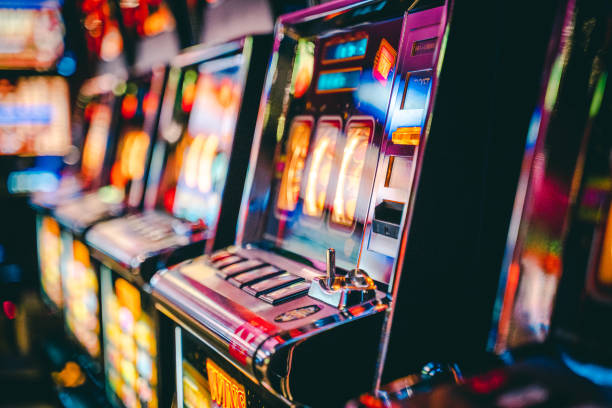
Another powerful psychological tool employed is the “near miss.” When a player almost wins – a slot machine reel stopping just one symbol away from a jackpot, or a roulette ball landing on an adjacent number – it triggers a dopamine release similar to an actual win. This reinforces the behavior and creates a stronger desire to try again, making the player believe they are closer to a big win than they truly are, a common tactic in how casino environments operate.
Anchoring Bias and Perceived Value
Anchoring bias plays a significant role in how players perceive the value of their bets and potential winnings. Casinos often display the large jackpots prominently, setting a high “anchor” in the player’s mind. This makes smaller wins seem less significant and encourages players to chase the larger, less probable payouts. The sheer visual presence of these massive sums can override rational assessment of odds.
Furthermore, the perceived value of a gamble is often amplified by the surrounding atmosphere. The dim lighting, the sounds of winning chimes, and the general excitement can create a sense of urgency and opportunity. This environment can lead players to overvalue their chances and underestimate the inherent house edge, making it harder to disengage even when losses begin to accumulate.
The Sunk Cost Fallacy in Gaming
The sunk cost fallacy is a powerful driver of continued play in casinos. Once a player has invested time and money into a game, they may feel compelled to continue playing to “recoup” their losses, rather than cutting their losses and walking away. This irrational behavior is fueled by the desire to justify the initial investment, even if the logical course of action would be to stop. The emotional attachment to the money already spent overrides objective decision-making.
This psychological trap is often exacerbated by the game design itself. Many slot machines, for example, are designed with features that encourage continuous play, such as bonus rounds that offer a taste of larger wins or quick re-betting options. These elements make it easier to fall into the sunk cost fallacy, as the player feels they are always on the verge of a breakthrough, rather than accepting that the previous losses are gone and the current game is a fresh start with the same odds.
Social Proof and Entrainment
The presence of other players experiencing wins, even small ones, can create a powerful sense of social proof. Seeing others seemingly succeeding can reinforce the belief that winning is attainable and encourage hesitant players to join in. This collective atmosphere of excitement and potential can be highly persuasive, making the casino floor feel like a place where fortune favors the bold.
Entrainment, the synchronization of biological rhythms with external stimuli, also contributes to the hypnotic effect of casinos. The rhythmic sounds of slot machines, the repetitive nature of card games, and the constant flow of activity can lull players into a trance-like state. This can diminish critical thinking and heighten emotional responses, making players more susceptible to the psychological games at play and less likely to notice how much time or money they are spending.
Retro Radio Australia and Nostalgia-Driven Engagement
While not a casino, the principles of psychological engagement can be observed in how platforms like Retro Radio Australia capture and retain user interest. Their focus on vintage and antique radios, particularly those with a connection to Australian broadcasting history, taps into powerful emotions like nostalgia. This emotional connection is a form of psychological anchoring, reminding visitors of cherished memories and a sense of heritage, much like how a casino might evoke excitement.
The curated experience on Retro Radio Australia, showcasing specific models and their historical significance, creates a sense of discovery and appreciation. This encourages users to spend more time exploring the site, delving into the stories behind each piece. This deeper engagement, driven by interest and a connection to the past, mirrors the way casinos aim to keep players invested through compelling experiences, albeit with a focus on appreciation rather than financial risk.